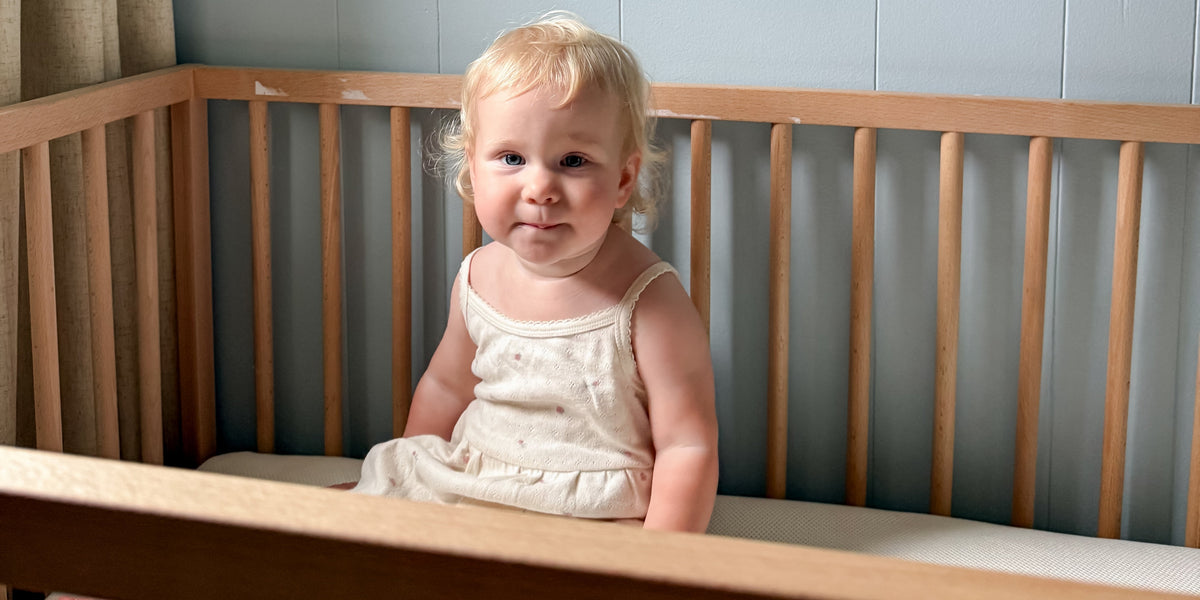



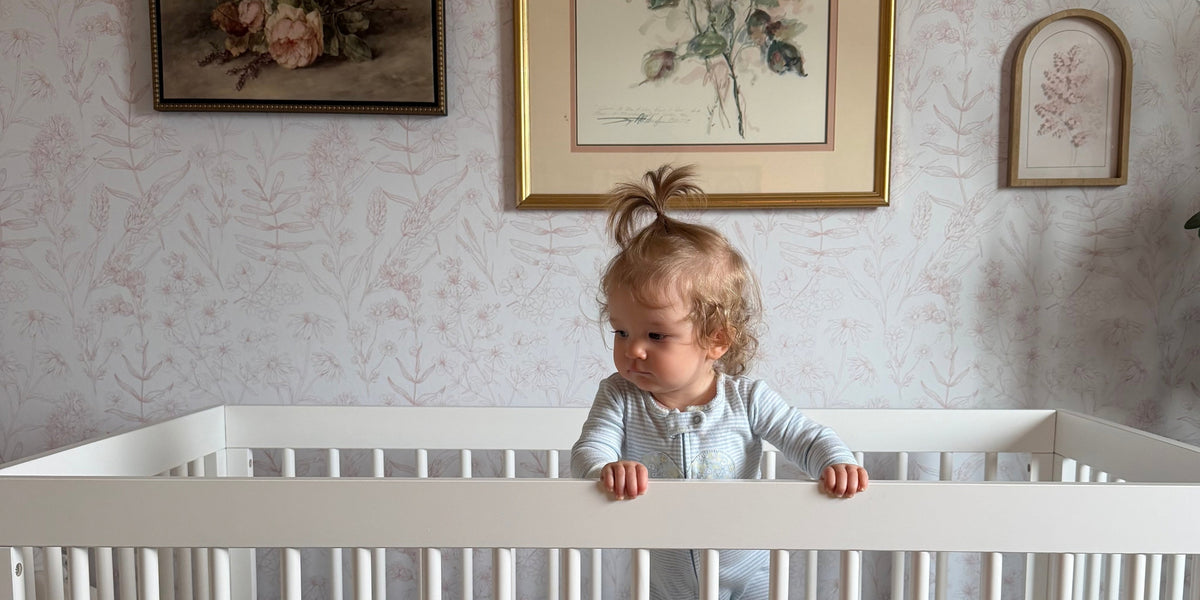
If your one-year-old suddenly starts fighting bedtime, waking more often at night, or changing their nap habits, you may be dealing with the 12-month sleep regression.
The 12-month sleep regression isn't a formal medical diagnosis or something every child experiences, but it describes a common, temporary stretch of disrupted sleep around a child's first birthday as development, routines, teething, and sleep needs change.
12-Month Sleep Regression: Key Points
- The 12-month sleep regression is a temporary disruption in sleep that can happen around your child's first birthday as physical, cognitive, emotional, and sleep needs change.
- Common signs include bedtime resistance, more nighttime wake-ups, early waking, and changes in naps, including resisting, skipping, shortening, or occasionally taking longer naps.
- At 12 months, one or two naps can both be normal. Suddenly fighting a nap doesn't necessarily mean your child is ready to permanently drop it.
- Once your child turns 1, the general recommendation is 11–14 hours of total sleep per 24 hours, including naps.
- For many toddlers, the disruption lasts only a few weeks. Consistent routines and a supportive sleep environment can help while their sleep adjusts.
Note: This blog may contain links to Naturepedic products and promotional content where relevant to the topic discussed.
What Is the 12-Month Sleep Regression?
The 12-month sleep regression is a temporary change in sleep patterns that some children experience around their first birthday. A child who had been sleeping relatively consistently may suddenly have trouble falling asleep, wake more often at night, resist naps, or wake earlier than usual.
Not every one-year-old experiences a noticeable sleep regression, and there's no single cause. Around this age, children are developing new physical and communication skills, becoming more aware of their surroundings, and adjusting to changing sleep needs. All of that can temporarily affect familiar sleep routines.
Common Signs Your Baby Is Regressing
Every toddler is different, and the 12-month sleep regression may look different from one little one to another.

Some common changes include:
- Trouble falling asleep or resisting bedtime
- More frequent nighttime wake-ups
- Fussiness or difficulty settling back to sleep after waking
- Waking earlier than usual in the morning
- Changes in naps, including resisting, skipping, shortening, or occasionally taking longer naps
Potential Causes of the 12-Month Sleep Regression
Your little one is going through some major developmental changes around their first birthday, and it's hard to pin a sleep regression on any one cause. Several changes may overlap at the same time.
Potential contributors include:
- New physical and communication skills, such as standing, cruising, walking, or learning new words
- Separation anxiety as your child's emotional and social awareness develops
- Teething and associated gum discomfort
- Changing sleep needs as daytime sleep and nap timing begin to shift
- Changes in routine that can temporarily make bedtime or naps less predictable
- Increased awareness and stimulation as your toddler becomes more engaged with the world around them
Is Your 12-Month-Old Ready to Drop a Nap?
Nap changes are common around the first birthday, but suddenly fighting one nap doesn't necessarily mean your child is ready to permanently switch from two naps to one.

According to Nationwide Children's Hospital, 12-month-olds may take either one or two naps. By about 18 months, most toddlers have dropped their morning nap and settled into one longer afternoon nap.
Wake periods also tend to get longer as babies grow, but there isn't one exact wake-window schedule every 12-month-old needs to follow. Instead of dropping a nap because your child suddenly resists it for a few days, look at their sleep pattern over time. If they still seem tired before their usual naps or struggle with longer stretches awake, they may still benefit from two naps.
Learn more about signs your toddler may be ready to drop a nap.
Is Your 12-Month-Old Ready for One Nap?
Fighting one nap for a few days doesn't necessarily mean it's time to drop it. At 12 months, some children still need two naps, while others are beginning the transition to one. Look at your child's overall pattern over time rather than one difficult week.
How Much Sleep Does a 12-Month-Old Need?
Sleep recommendations change right around your child's first birthday. The American Academy of Sleep Medicine recommends 12–16 hours of total sleep per 24 hours, including naps, for infants ages 4–12 months. Once your child turns 1, the recommendation shifts to 11–14 hours per 24 hours, including naps.
Those totals matter more than matching an exact schedule. Bedtime, wake time, nap length, and nap timing can all vary from one child to another.
Example 12-Month-Old Sleep Schedule
This is one example of what a two-nap schedule could look like for a 12-month-old:
- 7 AM: Wake up
- 9:30–10:30 AM: Morning nap
- 2–3 PM: Afternoon nap
- 7:30 PM: Bedtime
This isn't a schedule every child needs to follow. Some one-year-olds need more or less sleep within the recommended range, and some are beginning to transition toward one nap.
12-Month Sleep Regression or Teething?
Sleep regression and teething can overlap around the first birthday, which can make it difficult to tell what's disrupting your child's sleep. First primary molars typically begin erupting between about 11 and 18 months, according to the American Academy of Pediatric Dentistry.
Teething is more likely to come with physical clues such as swollen or tender gums, increased chewing, and drooling. The American Academy of Pediatrics notes that fever, diarrhea, and excessive crying aren't typical teething symptoms, so don't automatically blame those symptoms on a new tooth.
How Long Does a Sleep Regression Last?
There's no exact timeline for a 12-month sleep regression. For many children, the disruption lasts only a few weeks, although every child's situation is different. How long sleep changes stick around can depend on what's contributing to them, your child's existing sleep habits and routines, and their individual development.
The end of a sleep regression doesn't necessarily mean your toddler will sleep perfectly every night. Like adults, babies and toddlers can go through periods of more or less consistent sleep as routines, development, illness, and other circumstances change.
Talk with your pediatrician if sleep problems are persistent or significant, or if you notice other concerning changes such as loud snoring, gasping or pauses in breathing during sleep, poor growth or weight gain, symptoms of illness or pain, or major changes in feeding, urination, or bowel habits.
3 Tips for Getting Back on Track
There's no instant fix for the 12-month sleep regression, but keeping familiar sleep habits consistent can make this period easier to navigate.

Here are three ways to support your one-year-old while their sleep adjusts.
1. Be Consistent
Keep sleep timing as consistent as you reasonably can, including wake time, naps, and bedtime. A predictable bedtime routine can also help signal that it's time to wind down. A bath, cuddles, and a bedtime story can all work well — what's most important is creating a routine your family can repeat regularly. Learn more about building a healthy bedtime routine.
Should you sleep train during a 12-month sleep regression? There's no single approach that's right for every family. If you already use a sleep routine or sleep-training approach that works for you, keeping it consistent may help. If you temporarily offer more rocking, cuddling, or other reassurance during a difficult stretch, consider whether the change is something that will still work for your family once your child's sleep settles again.
2. Keep Your Toddler Active During the Day
Regular opportunities to move, play, and explore during the day support your child's development and can help create a clearer distinction between active daytime hours and nighttime rest.
Daytime activity paired with exposure to natural light can also support the body's internal clock, or circadian rhythm. As bedtime approaches, shift toward quieter, lower-stimulation activities to help your toddler wind down.
3. Create the Right Environment
A calm, consistent sleep environment can make it easier for your one-year-old to settle at bedtime and return to sleep after waking. Keep the room dark, maintain a comfortable temperature, and minimize unnecessary light, noise, and stimulation. If you use white noise, keep the volume moderate and place the sound machine away from your child's crib.
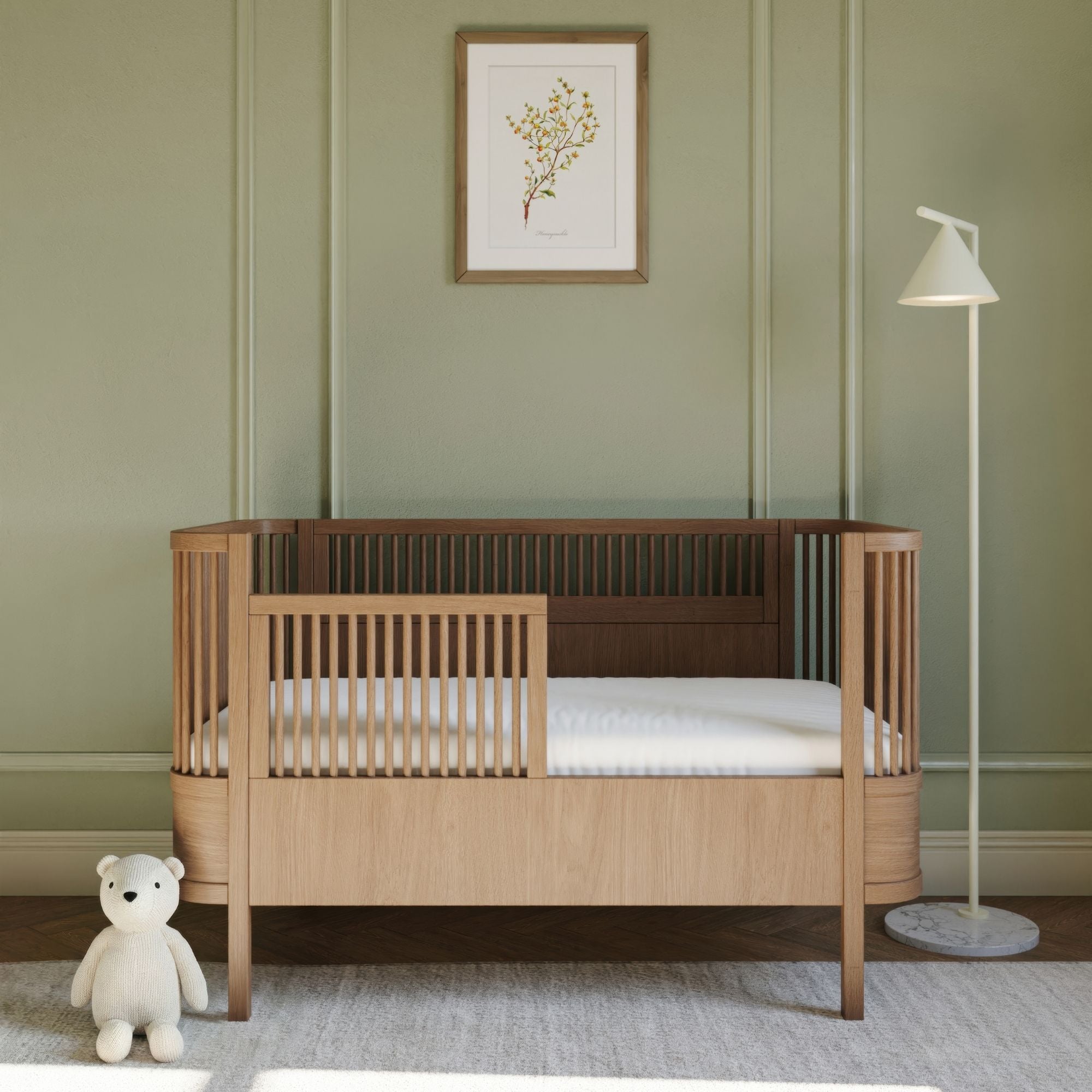
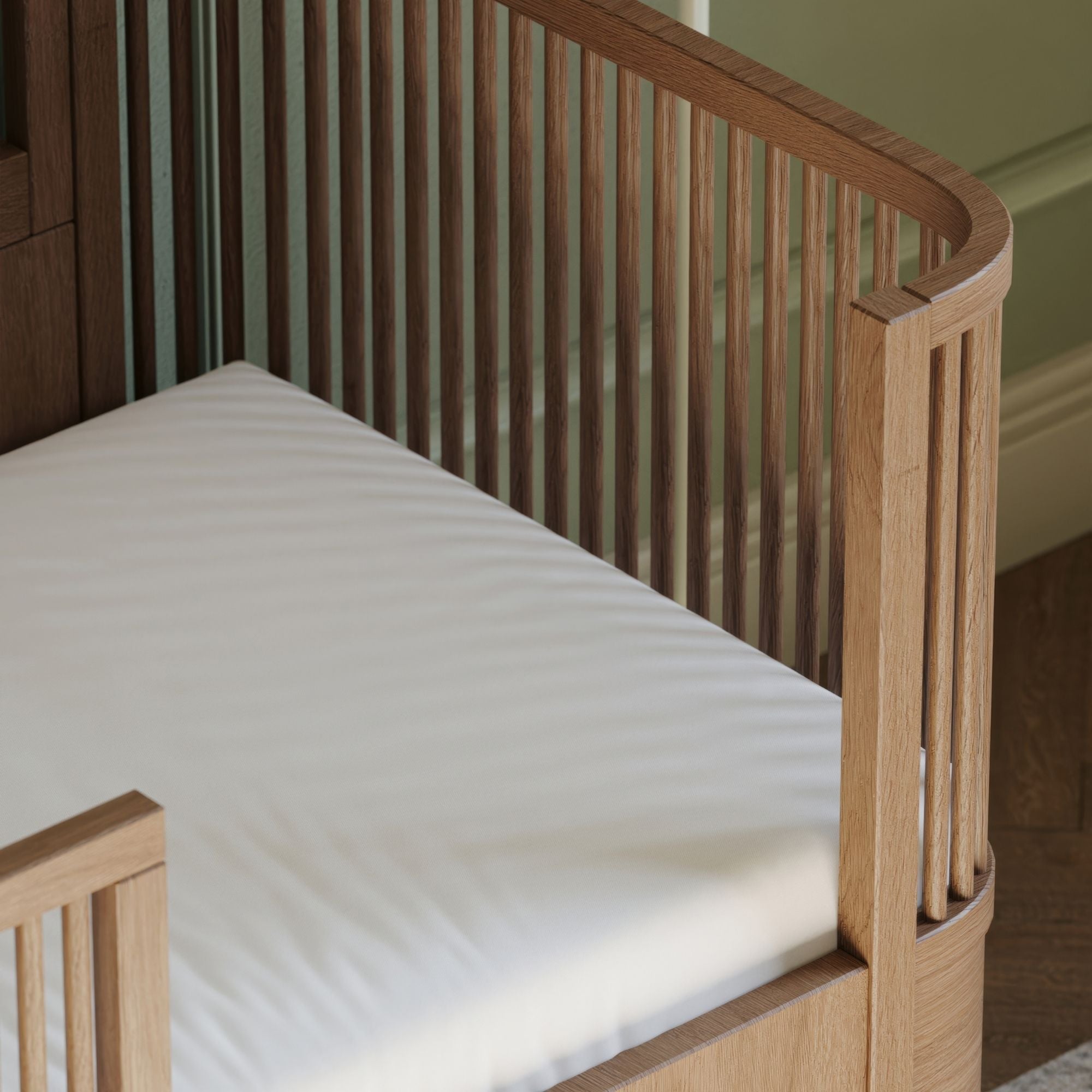
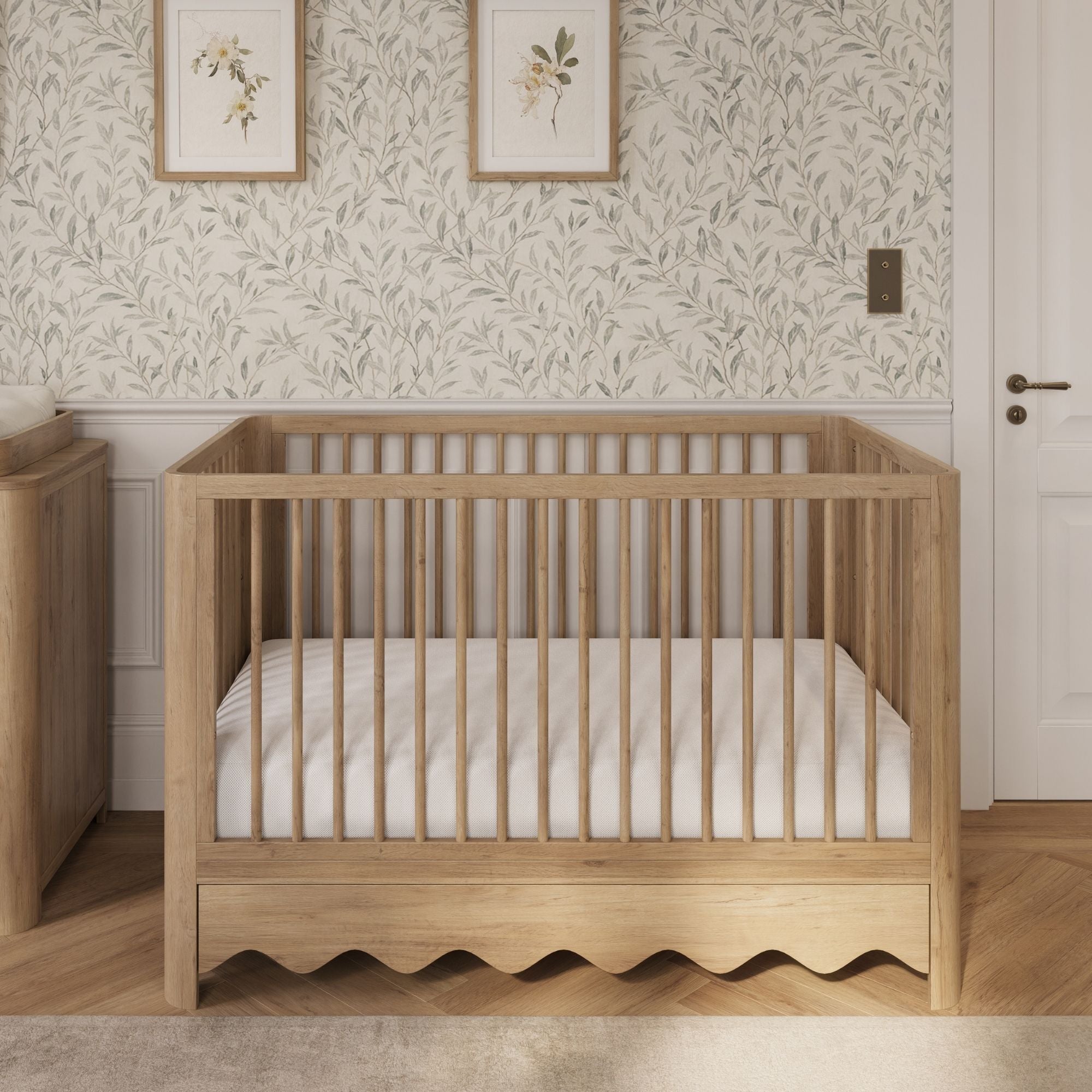
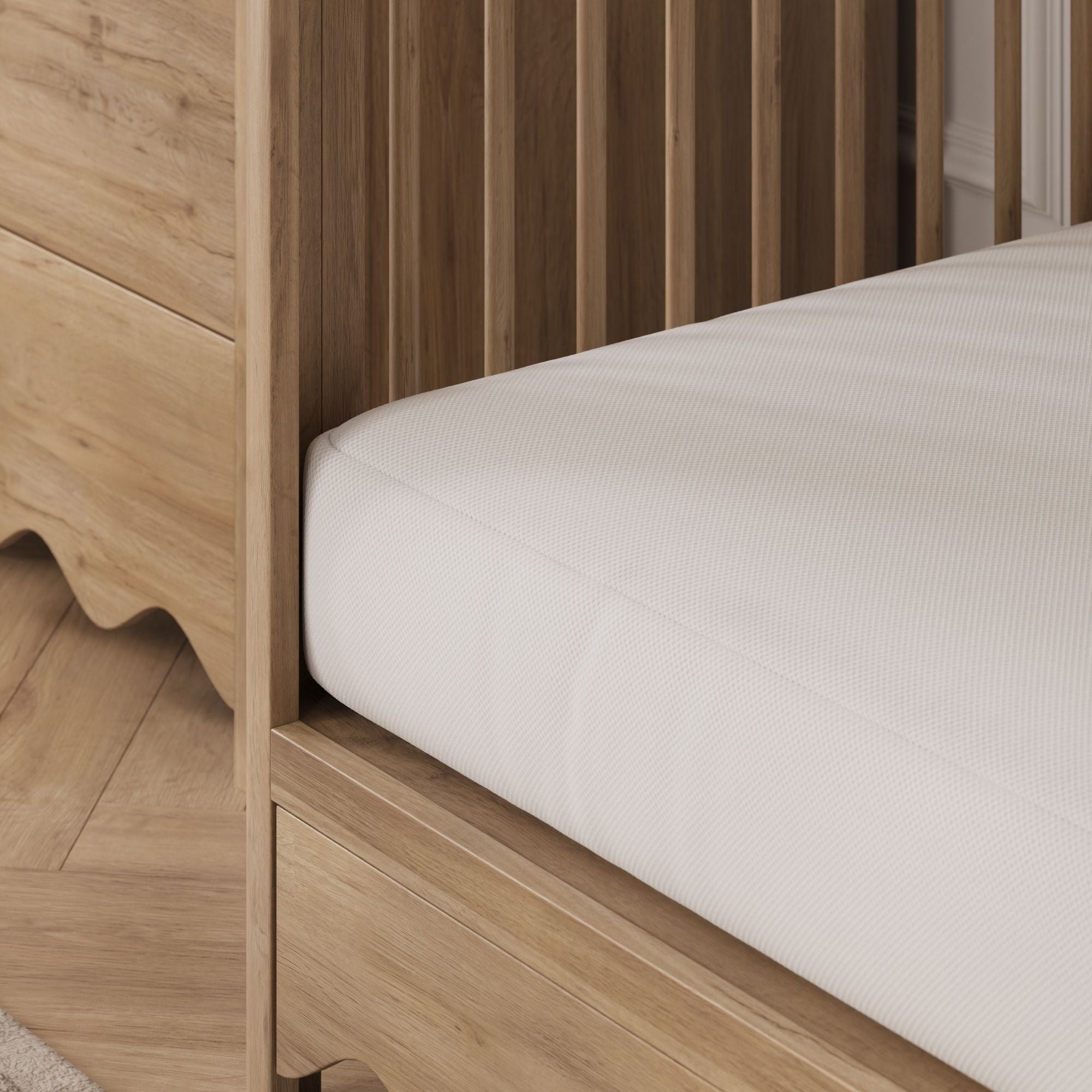
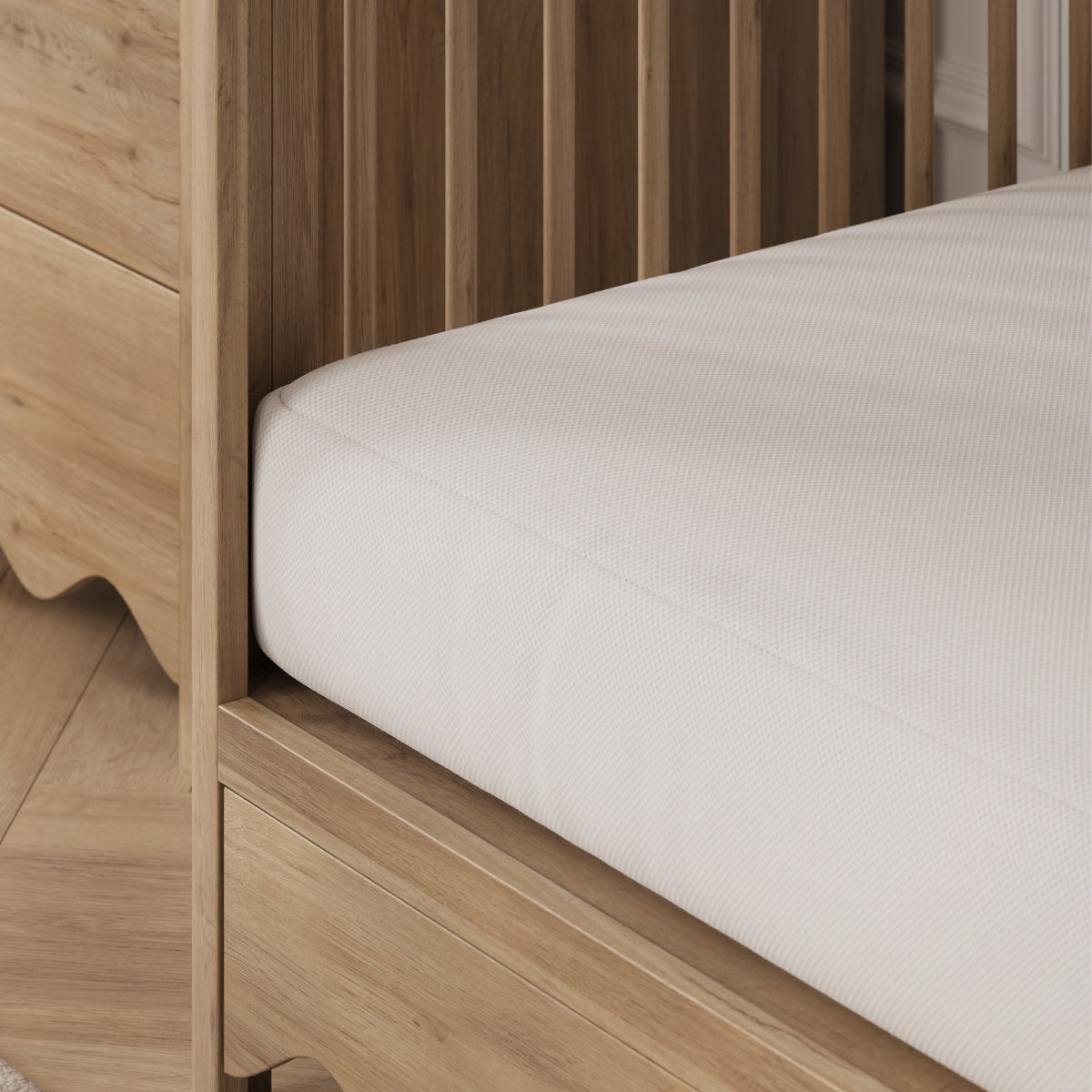
A firm, flat crib mattress that fits the crib properly also remains an important part of the sleep environment. Naturepedic organic crib mattresses use GOTS-certified organic cotton, are GREENGUARD Gold certified, and are made without flame retardants. You can also explore our organic crib sheets and waterproof crib protector pads.
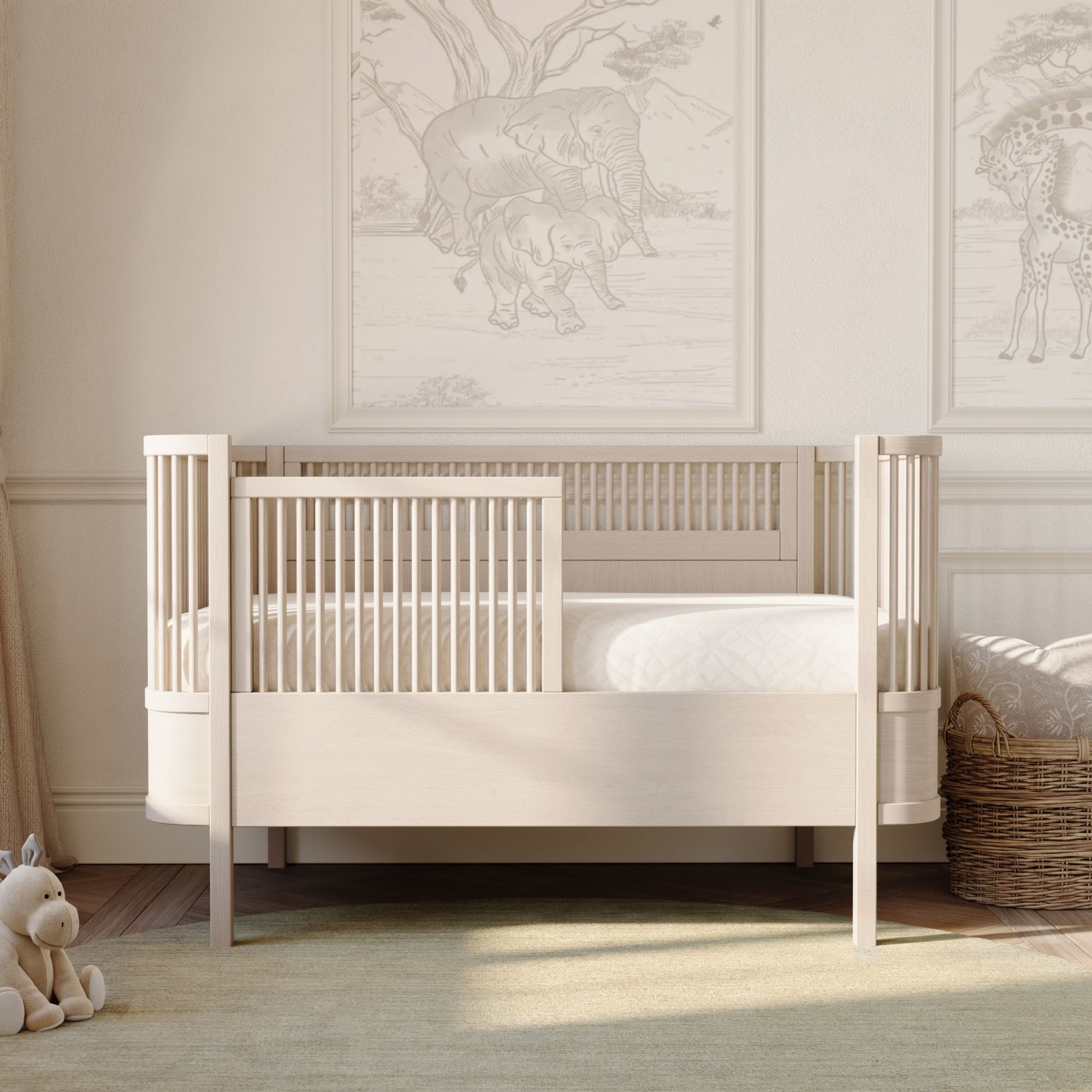
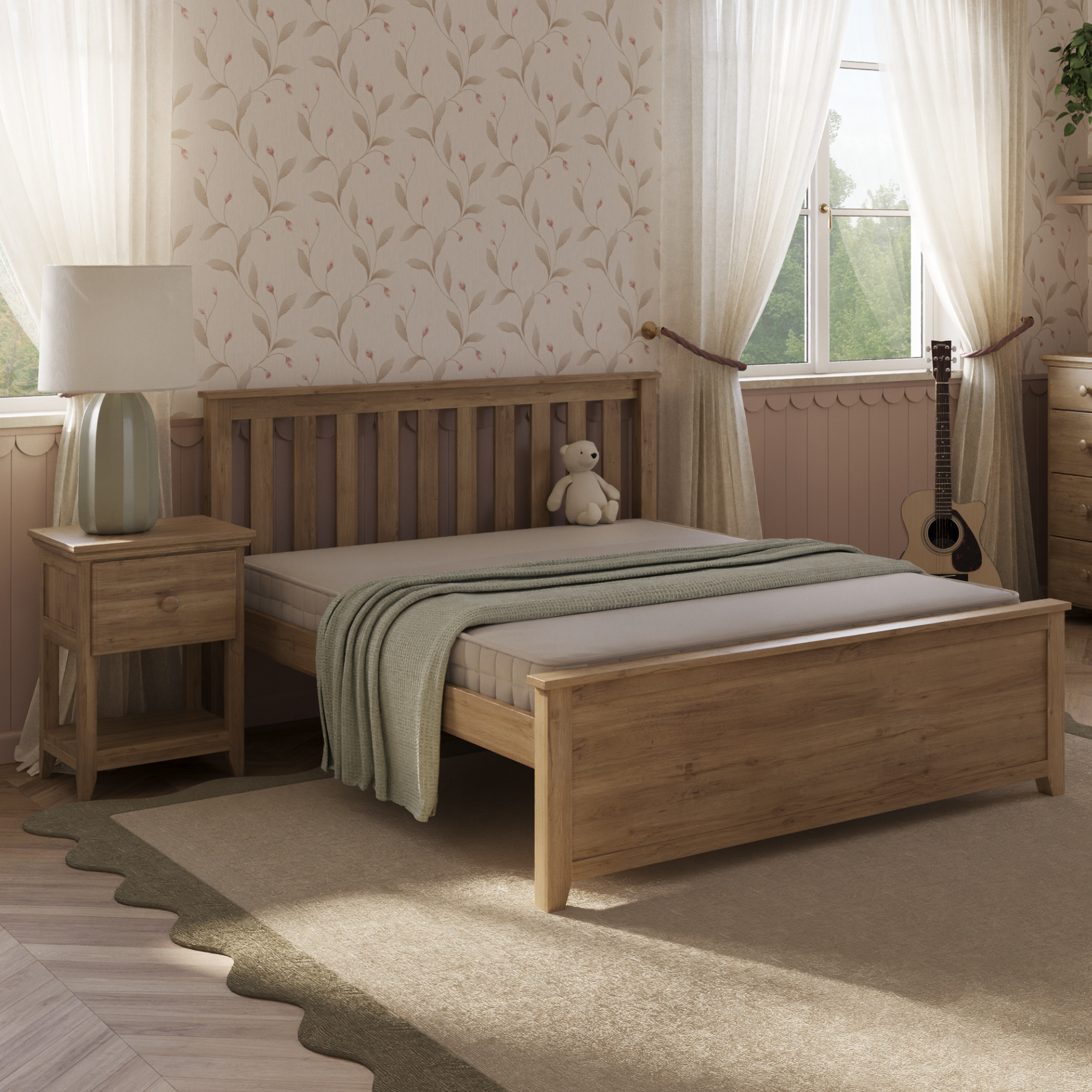
Sleep can continue changing quickly throughout toddlerhood. As your little one grows, you can also learn how to recognize when they're ready to transition from a crib to a big kid bed.
Have feedback on our story? Visit our About Us page to learn more or Contact Us to let us know what you think!