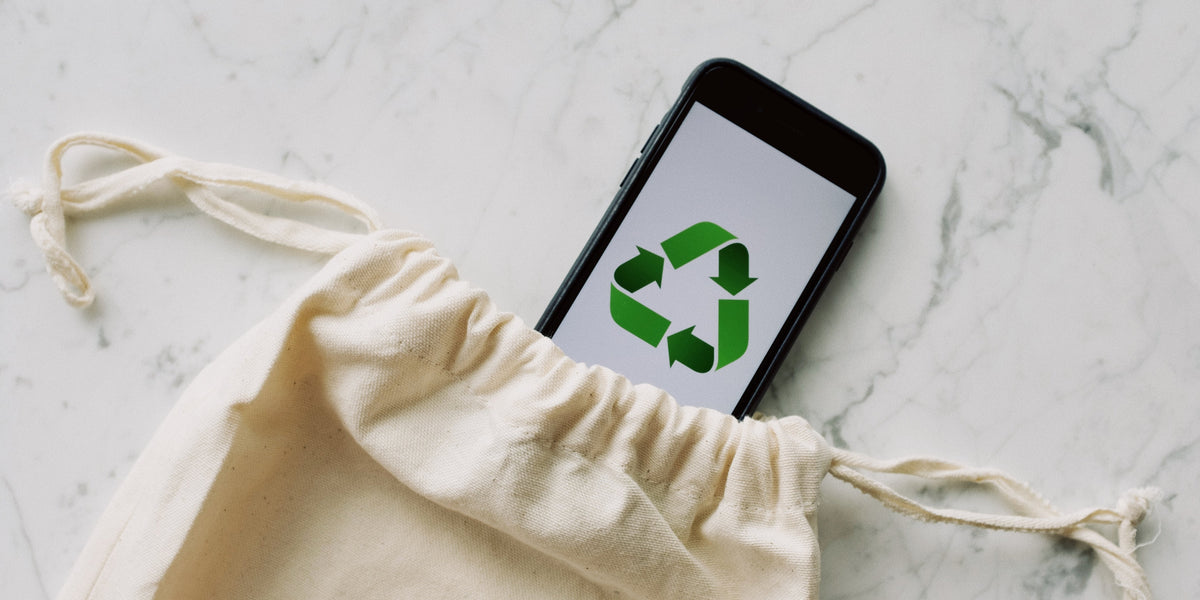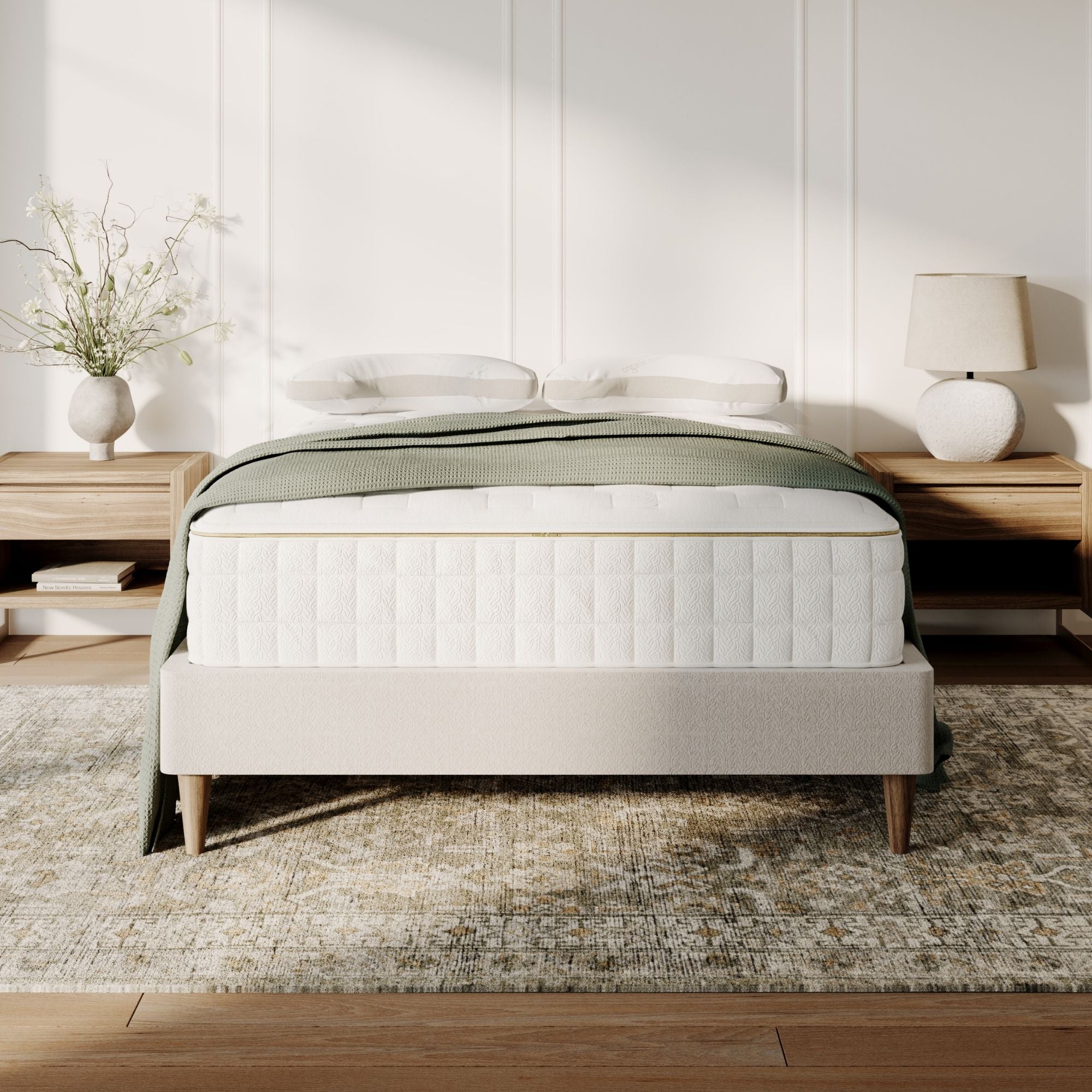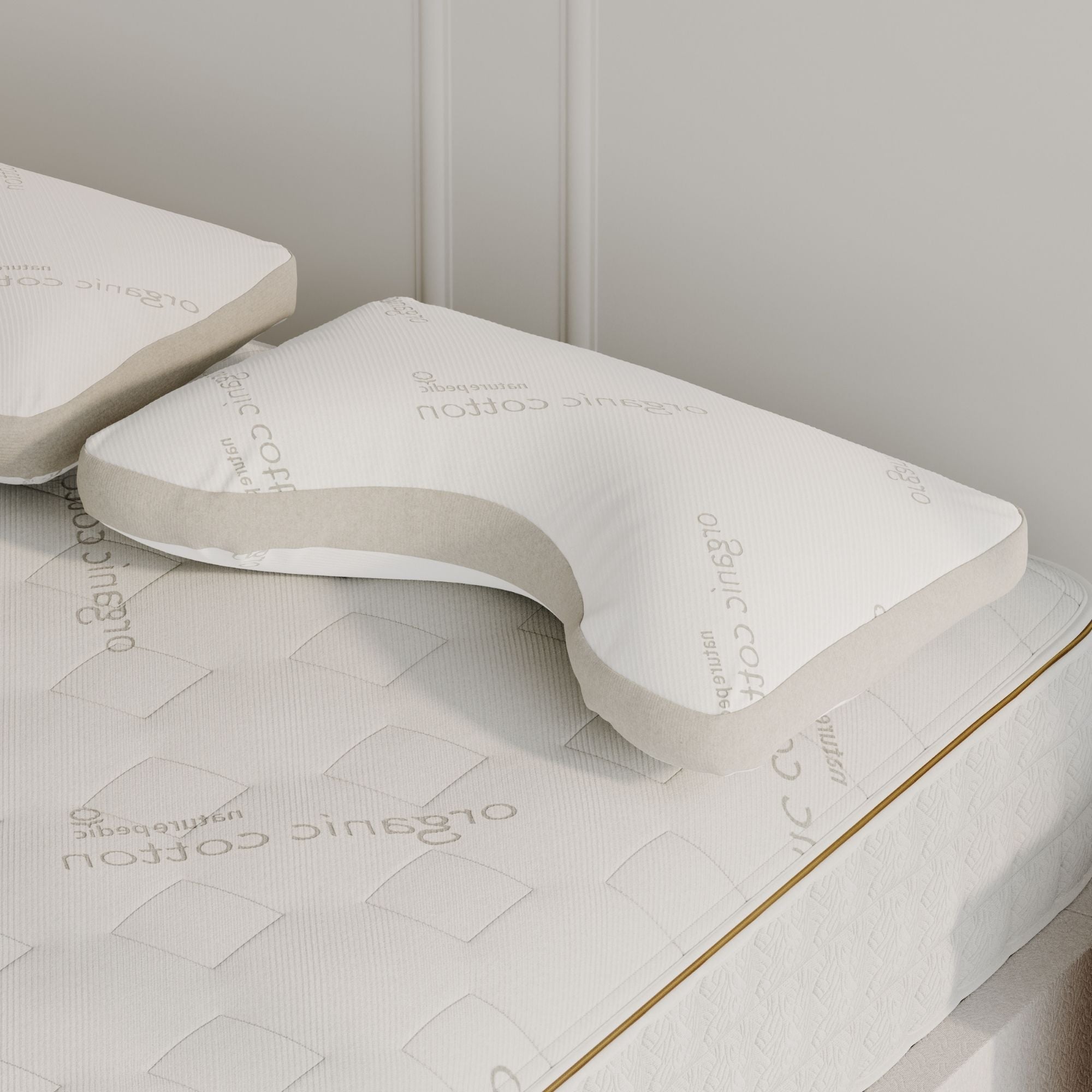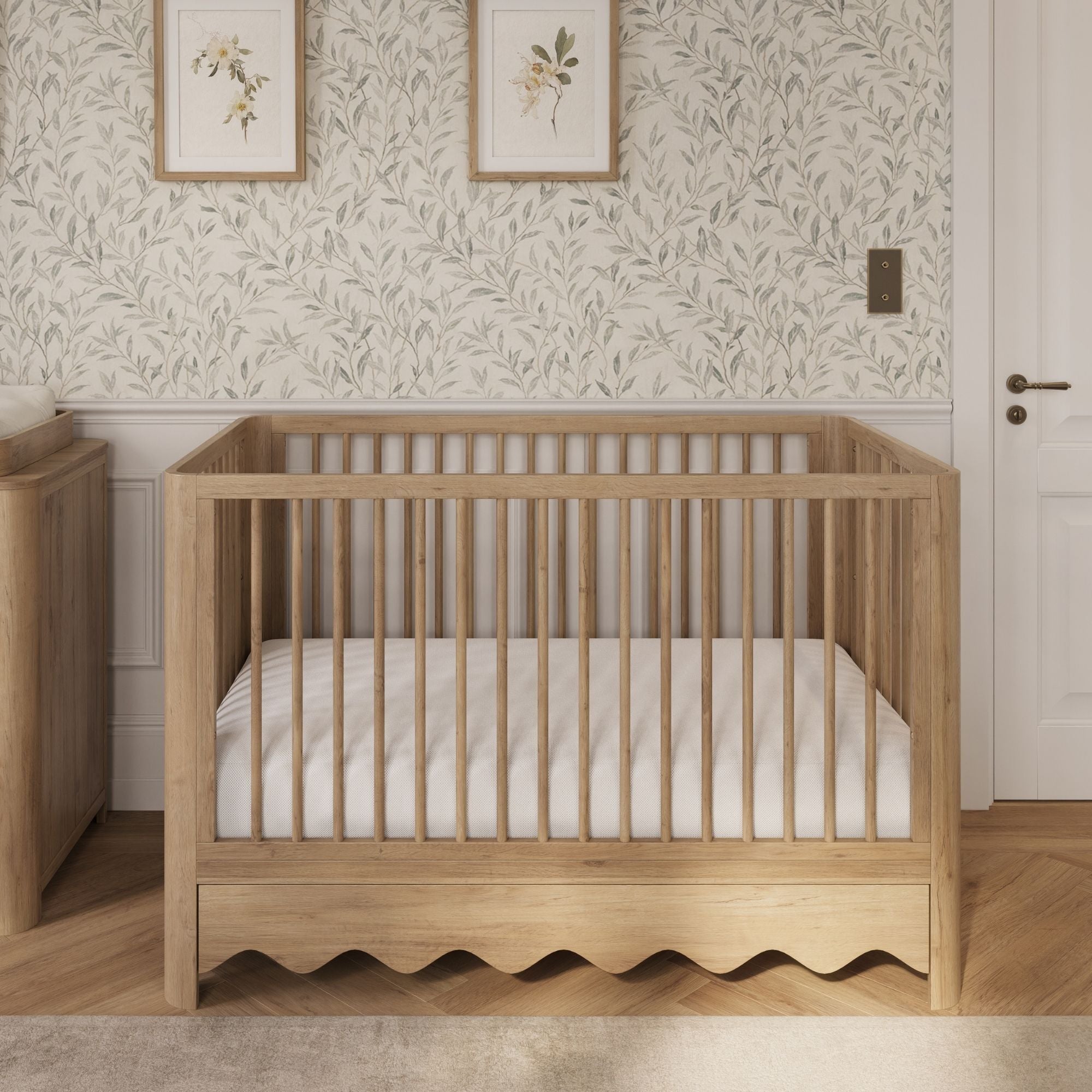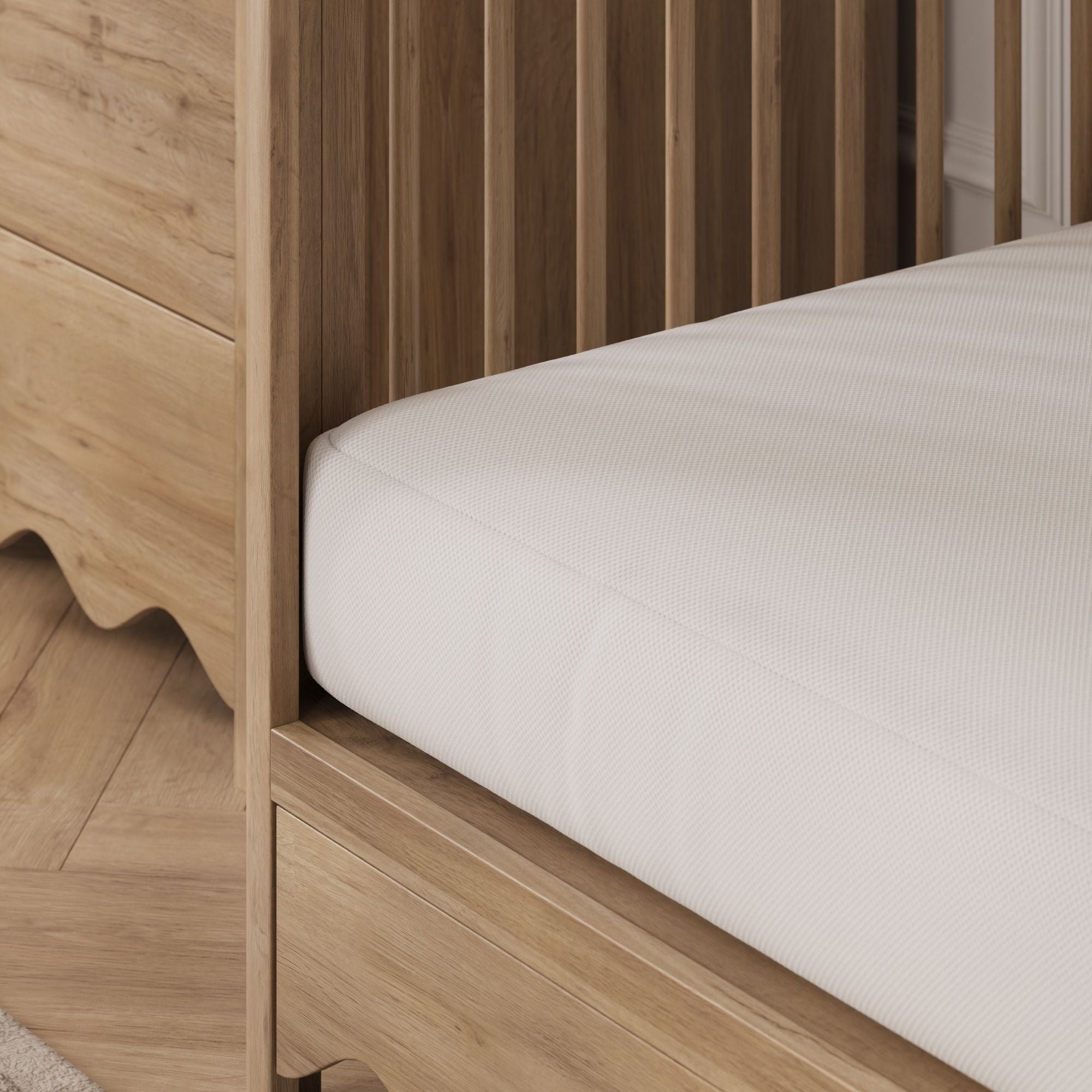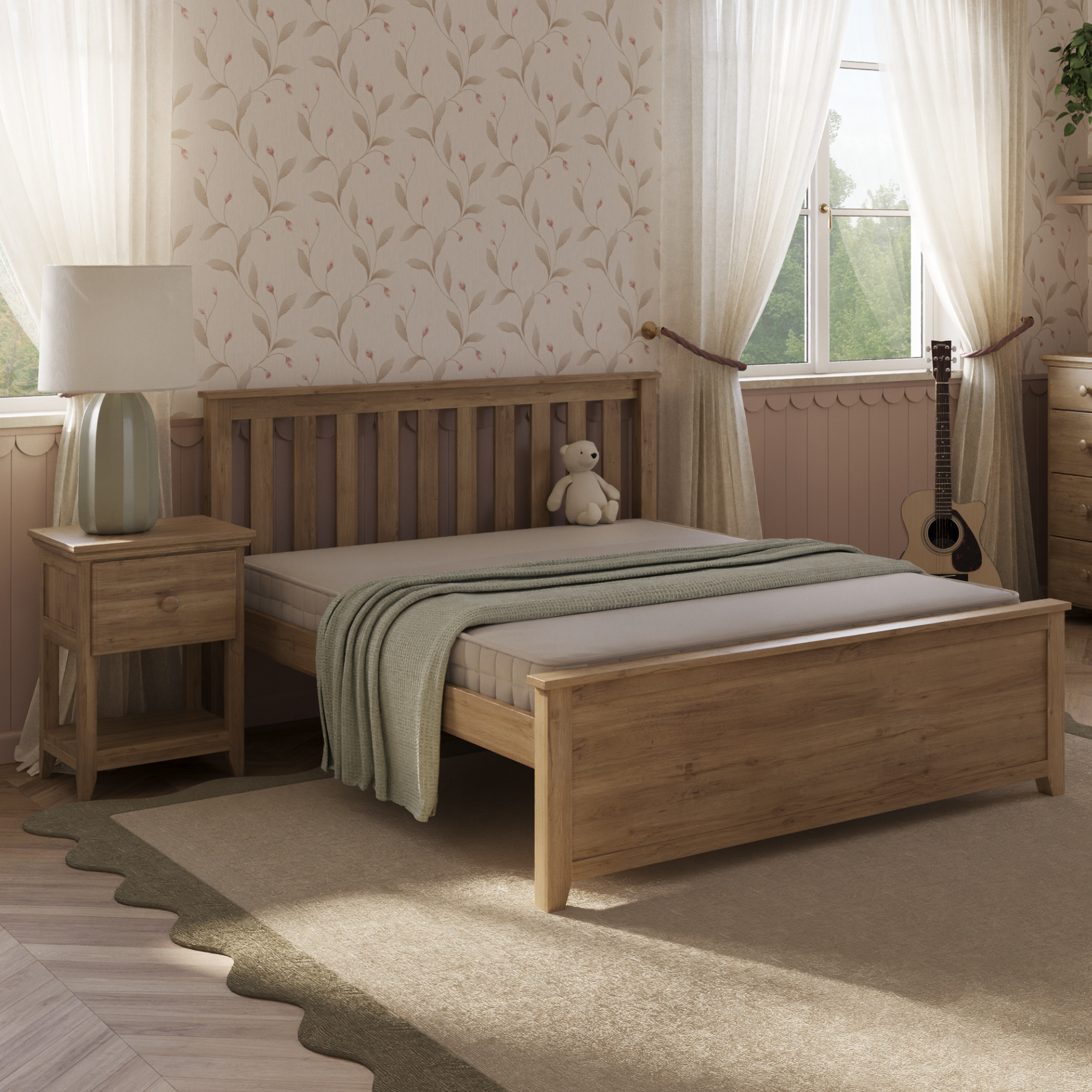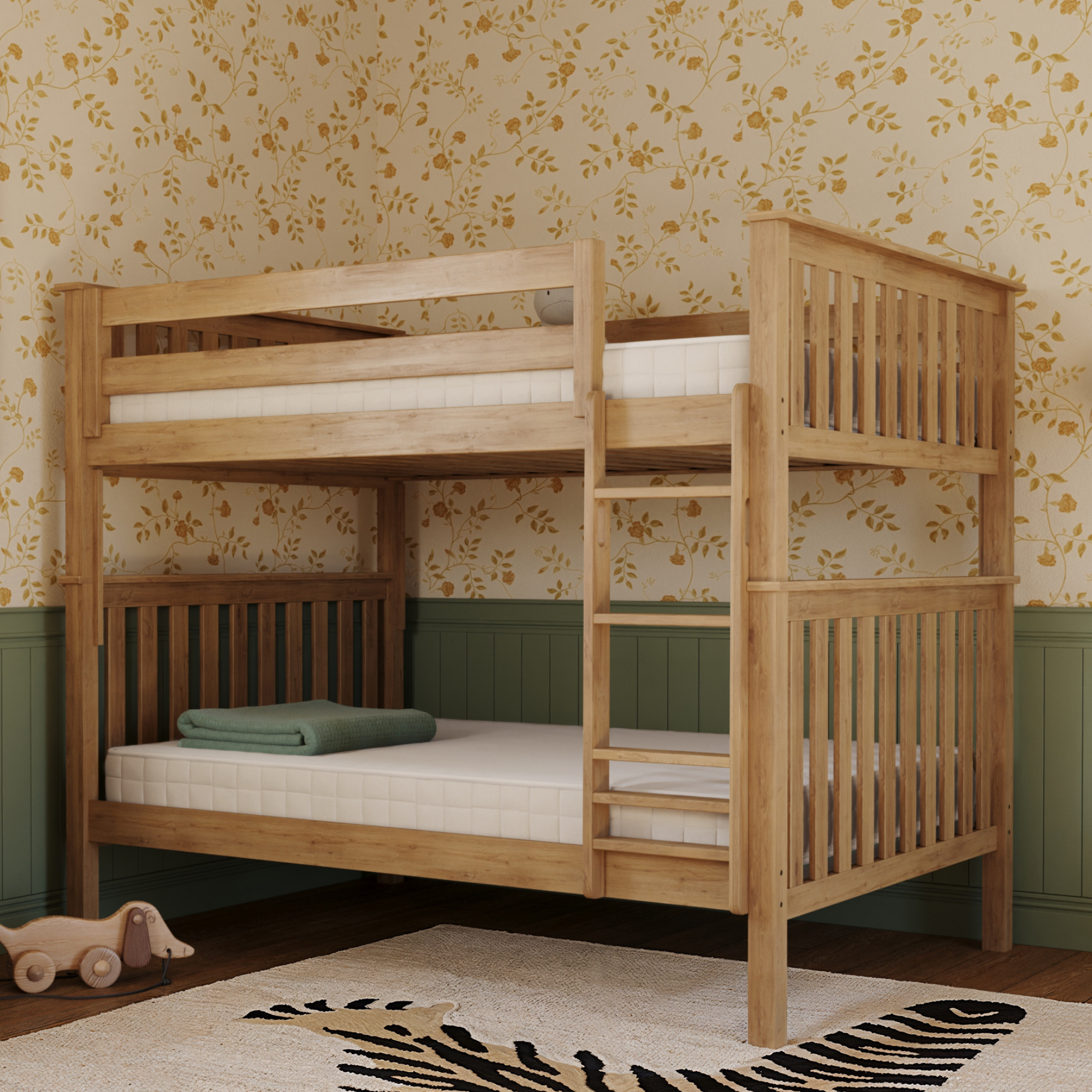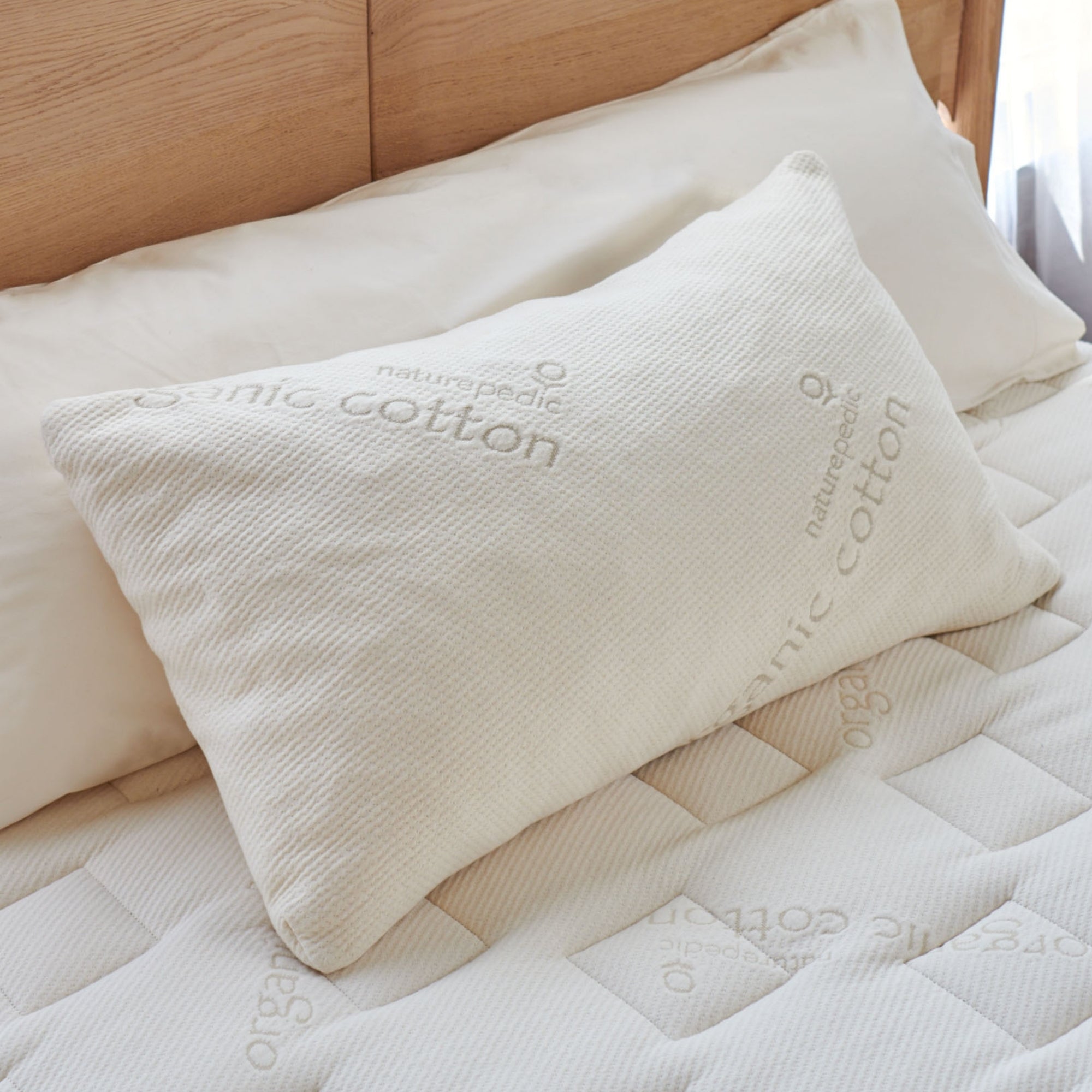


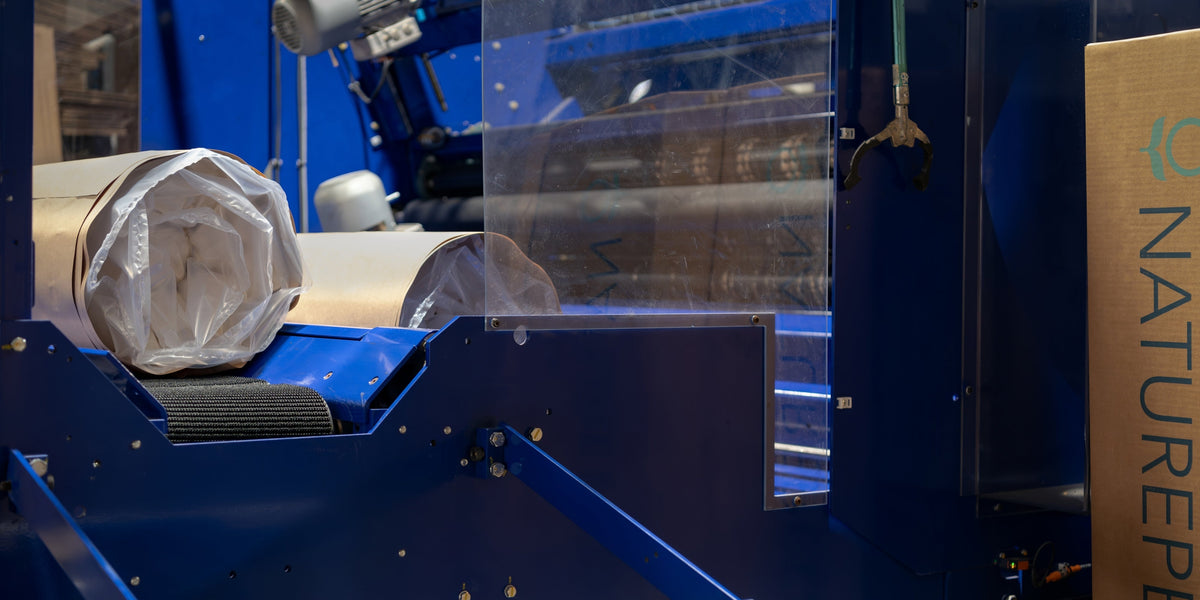
Each year, Naturepedic keeps approximately 55,000 pounds of single-use plastic packaging from ending up in landfills by using kraft paper to roll-pack our mattresses, organic mattress toppers, and EOS customizable mattress layers.
Our roll-packing system uses uncoated, fully recyclable FSC®-certified kraft paper in place of the plastic traditionally used to wrap these products for shipping. While some protective shipping components still rely on plastic to help products arrive clean, dry, and undamaged, this change has significantly reduced plastic packaging across our operations.
Take a look at our kraft paper roll-packing machine in action!
Kraft Paper Packaging: Key Points
- Naturepedic uses uncoated, recyclable kraft paper to roll-pack mattresses, toppers, and EOS comfort layers.
- The switch helps eliminate approximately 55,000 pounds of single-use plastic packaging each year.
- Some protective shipping components still use plastic where needed to help products arrive clean, dry, and undamaged.
- Our broader packaging efforts include recycled-content cardboard, certified or recycled paper, soy-based inks, and local printing when possible.
- Reducing packaging waste is one part of a larger waste-reduction effort, including replaceable EOS comfort layers and more responsible mattress disposal.
Note: This blog may contain links to Naturepedic products and promotional content where relevant to the topic discussed.
How Does Naturepedic Reduce Plastic Mattress Packaging?
Mattresses and other bulky bedding products require packaging that can withstand compression, handling, and shipping. Our kraft paper roll-packing system allows us to wrap mattresses, toppers, and comfort layers in recyclable paper instead of using plastic for that part of the packaging process.
Because the kraft paper is uncoated and recyclable, it can go into an appropriate paper recycling stream after you unpack your order. Recycling requirements vary by community, so check your local guidelines before putting any packaging material in your curbside bin.
This doesn't mean every Naturepedic shipment is completely plastic-free. Certain protective liners and other shipping components still rely on plastic where needed. We're continuing to look for lower-impact packaging options that protect our products while reducing unnecessary material use.
Why Does Reducing Single-Use Plastic Packaging Matter?
From food packaging to shipping materials, plastic is deeply embedded in everyday life. But the scale of plastic waste — and the relatively small percentage that ultimately gets recycled — makes reducing unnecessary single-use plastic an important part of waste reduction.

According to the Organisation for Economic Co-operation and Development, the world generated 353 million metric tons of plastic waste in 2019, and only 9% was ultimately recycled. Packaging accounted for 40% of plastic waste from products with lifespans of less than five years.
Plastic waste can end up in landfills, incinerators, uncontrolled dumpsites, or the natural environment when it isn't successfully recycled or otherwise managed. The OECD also projects that global plastic waste could nearly triple by 2060 without stronger policies and changes in how plastics are produced, used, and discarded.
The mattress industry isn't immune to this problem, and even organic brands like ours haven't eliminated plastic from every part of their operations. That's why we focus on places where we can make measurable changes. Replacing plastic roll-packing with recyclable kraft paper is one of them.
What Makes Naturepedic's Mattress Packaging More Sustainable?
Kraft paper roll-packing is one piece of a broader effort to reduce the impact of our packaging. We've also been working across material sourcing, our GOTS-certified factory, printing, shipping, and packaging to use resources more thoughtfully.

Here are some other ways we're improving our packaging:
- Soy-based inks — We use soy-based inks for our printing needs.
- Responsible printing partners — Our commercial printing partners use FSC-certified paper.
- Recycled and certified paper — Our labels are printed on certified or recycled paper.
- Recycled cardboard — We source cardboard packaging with high amounts of recycled content.
- Local printing — We print locally whenever possible to reduce unnecessary transportation.
How Can You Recycle an Old Mattress?
Packaging isn't the only waste issue associated with buying a new mattress. When it's time to replace your current mattress, recycling or donation may help keep usable materials out of a landfill.
If your mattress is still clean and in usable condition, start by checking whether local charities or reuse organizations accept mattress donations. If it isn't suitable for donation, look for a mattress recycling program in your area. Recycling facilities can dismantle mattresses so materials such as steel, fibers, foam, and wood can be separated for reuse or recycling rather than sending the entire mattress to a landfill.
The Mattress Recycling Council's Bye Bye Mattress program offers a recycling locator and operates statewide recycling programs in California, Connecticut, Oregon, and Rhode Island. Outside those states, check with your local waste authority, municipal bulk-waste program, retailer, or independent mattress recycler for options near you.
Mattress toppers are handled differently from mattresses. Bye Bye Mattress's statewide programs generally do not accept mattress toppers, so check with local waste, textile, foam, or specialty recycling services to see what options are available where you live.
For more guidance, read our full guide to responsibly disposing of an old mattress.
How Does Naturepedic Design Mattresses to Reduce Waste?
Reducing waste doesn't stop with packaging. Product design can also influence how long a mattress stays in use.
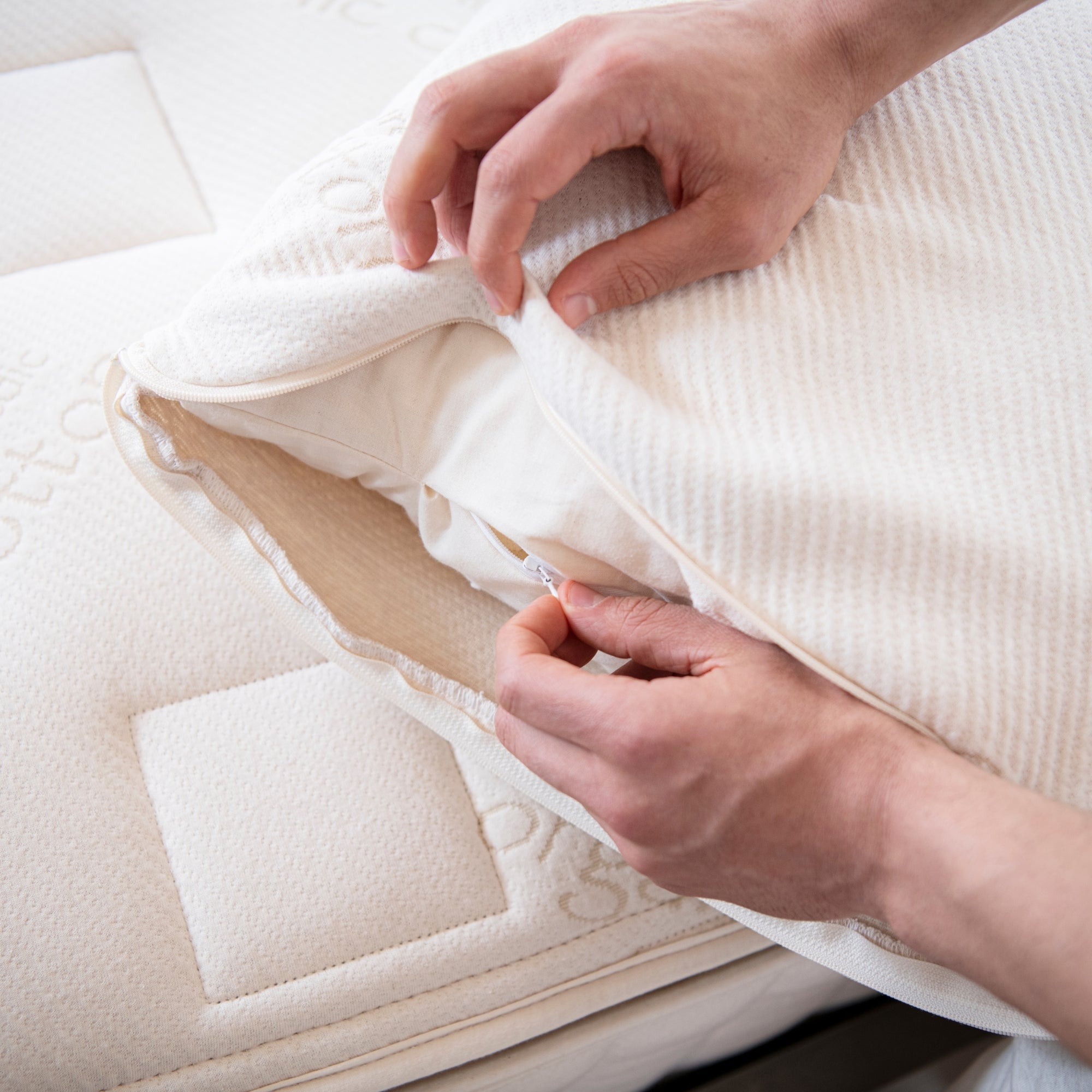
Our EOS customizable organic mattress uses a multi-layered, zippered construction that allows its internal comfort layers to be accessed and replaced. If your comfort preferences change over time, you can update individual comfort layers instead of automatically replacing the entire mattress.
That modular approach is designed to support longer-term use while reducing unnecessary mattress waste. It also gives sleepers more flexibility to adjust their mattress as their comfort needs change.
How Should You Dispose of Mattress Packaging?
Once your new mattress is unpacked, the best way to handle the packaging depends on the material and the recycling options available where you live.

Here's an overview by material:
- Kraft paper — Naturepedic's uncoated kraft paper roll-packing can be repurposed as wrapping paper, an art surface, or packing, or it can be recycled with paper where accepted. Keep it clean and dry, and check your local recycling guidelines before placing it in your bin.
- Cardboard — Break down cardboard boxes and recycle them through your local paper and cardboard program where available.
- Protective plastic — Some Naturepedic shipments still include plastic components where needed to protect products during transit. These materials may not be accepted in curbside recycling, so check whether your community or a local retailer offers plastic film recycling.
Recycling rules vary considerably by location, so your local waste authority is the best source for guidance on what belongs in your curbside bin and what requires a separate drop-off location.
Have feedback on our story? Contact Us to let us know what you think, or visit our About Us page to learn more!