



Many shoppers wonder whether mattresses have weight limits, especially when choosing options for babies, kids, or long-term adult use. While most mattresses are not labeled with strict maximums like furniture, they are engineered to perform best within certain weight ranges based on their materials and construction. If you are comparing options like organic mattresses, understanding how weight impacts performance can help you make a more informed decision.
Mattress Weight Limits: Key Points
- Most mattresses do not have a single universal weight cutoff, but manufacturers may provide recommended capacities based on mattress size, materials, and construction.
- Body weight can affect how deeply a mattress compresses, which may influence comfort, support, sagging, and long-term durability.
- Naturepedic weight guidance varies by product and size. Kids, crib, and adult mattresses should be evaluated according to the specifications for the specific model.
- Foundations and bed frames have weight capacities too. Their limits should account for both the mattress and the sleeper or sleepers using it.
- Choosing the right support level matters as much as capacity. Mattress construction, firmness, foundation support, and regular rotation can all affect long-term performance.
Note: This blog may contain links to Naturepedic products and promotional content where relevant to the topic discussed.
Are There Weight Limits on Mattresses?
Technically, most mattresses do not have a hard “cutoff,” but they do have recommended weight capacities that help preserve comfort, support, and durability over time. These ranges are based on factors like coil strength, material density, and overall construction, which you can explore when reviewing different mattress types and materials.
Exceeding these recommended ranges does not mean a mattress will immediately fail, but it can affect how well it performs and how long it lasts. This is why manufacturers provide general guidance rather than strict limits.
How Does Body Weight Affect Mattresses?
Body weight plays a key role in how a mattress feels and performs over time.

Heavier loads create more pressure on the materials, which can influence everything from comfort to long-term durability, especially in layered constructions like organic latex and coil mattresses.
Mattress Durability
Higher weight can compress materials more deeply and more frequently, which may accelerate wear over time. Durable materials like steel coils and high-quality fibers are designed to withstand this pressure, but consistent overloading can still shorten a mattress’s lifespan, as discussed in how long mattresses last.
Spinal Support
Proper spinal alignment depends on a mattress maintaining its intended support structure. If the materials compress too much under weight, the spine may fall out of alignment, which can impact sleep quality and comfort, especially for those already dealing with back concerns covered in sleep posture guides.
Sagging and Impressions
Excessive weight can contribute to visible indentations or sagging over time, particularly in softer materials. While some body impressions are normal, deeper or uneven sagging can reduce support and comfort, which is why proper support systems like mattress foundations are important.
Overall Comfort Over Time
As materials wear down more quickly under higher weight, the original feel of the mattress can change. What once felt supportive and comfortable may begin to feel uneven or too soft, which is why choosing the right construction from the start matters.
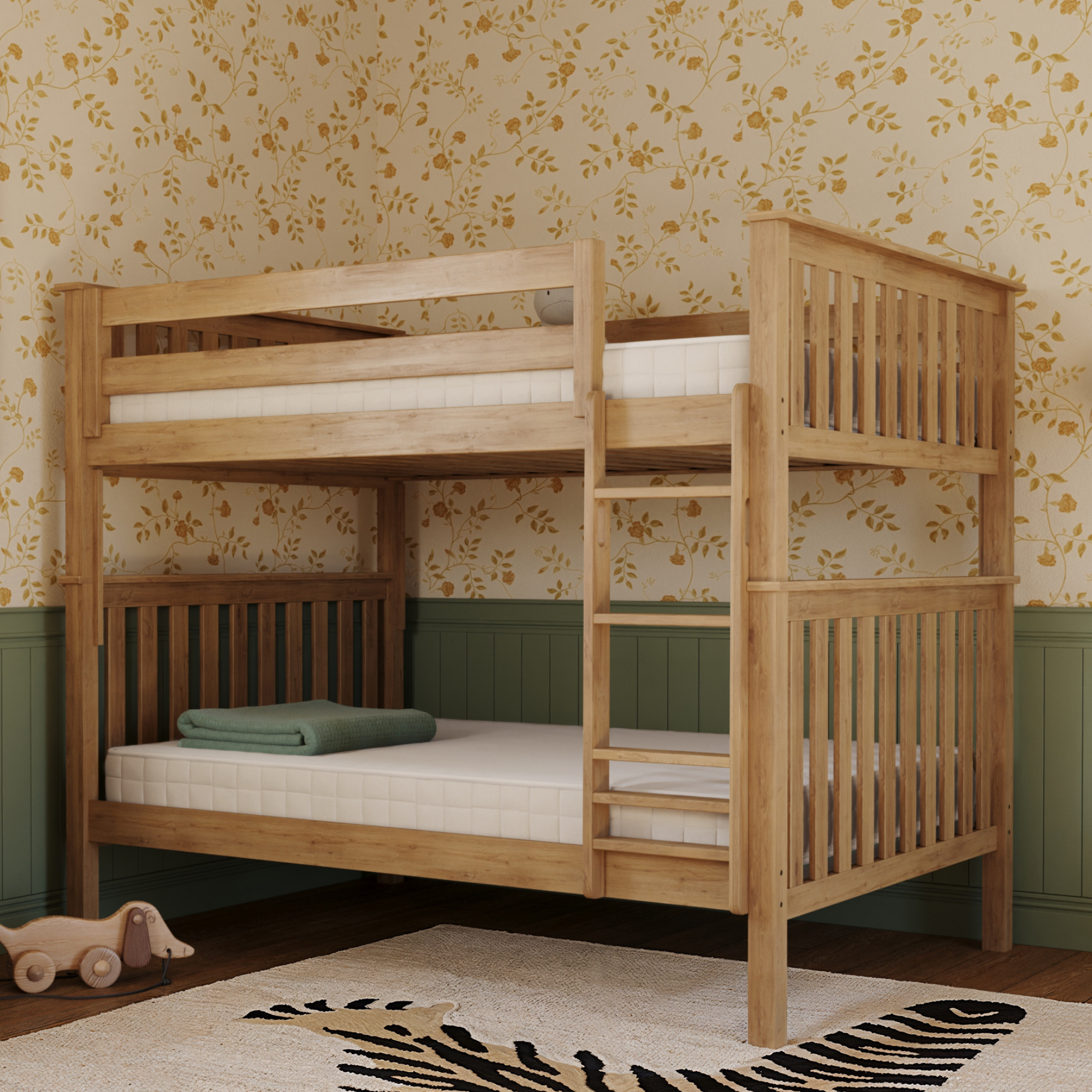
Weight Limits for Kids Mattresses
Kids mattresses are built to accommodate growing bodies and typically support higher weight ranges depending on size.

Twin mattresses generally support up to 325 pounds, Full mattresses up to 450 pounds, and Queen sizes up to 550 pounds.
These ranges are designed to support children through multiple stages of growth, making them a long-term investment for families. However, selecting the right size early on can help ensure consistent comfort as your child grows.
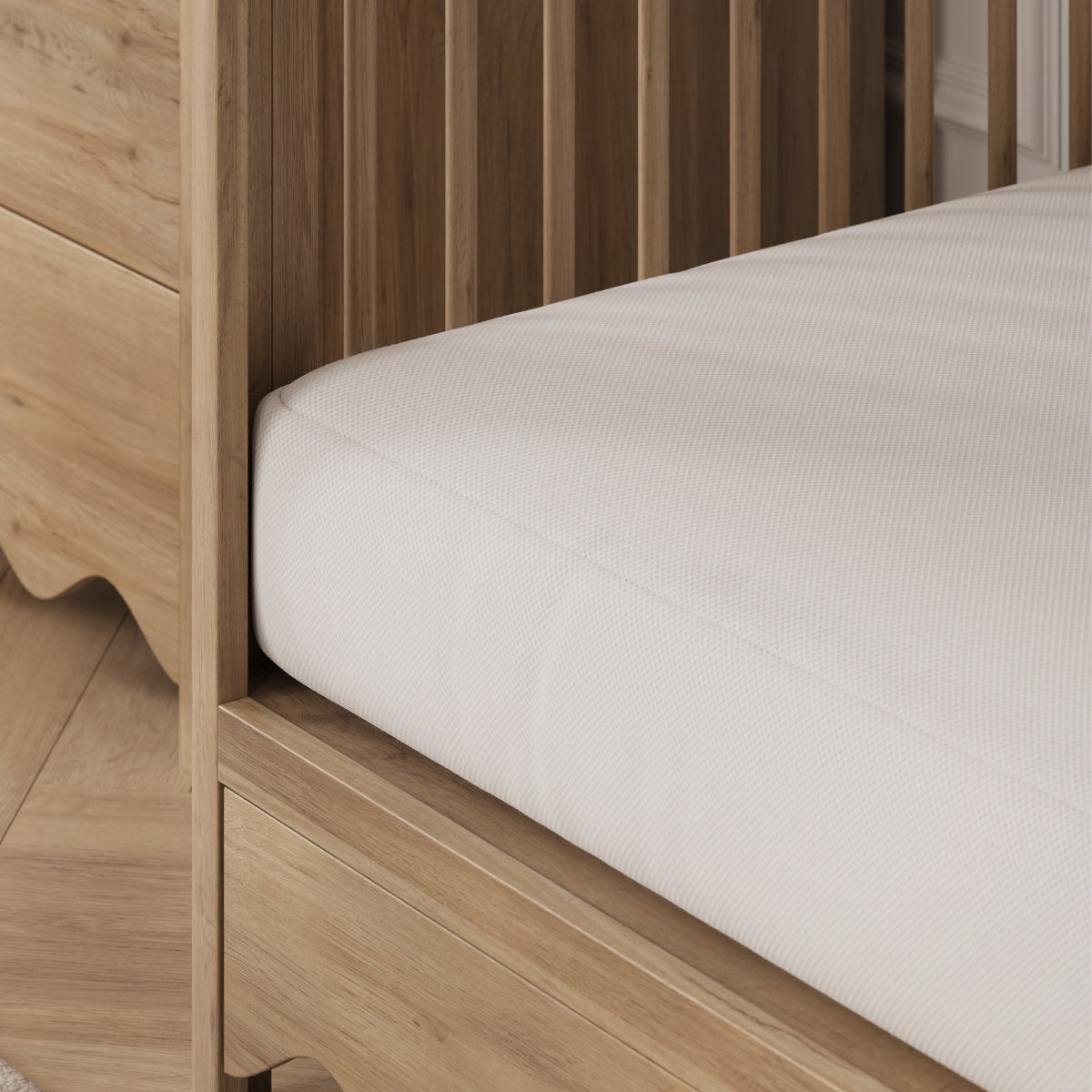
Weight Limits for Naturepedic Crib Mattresses
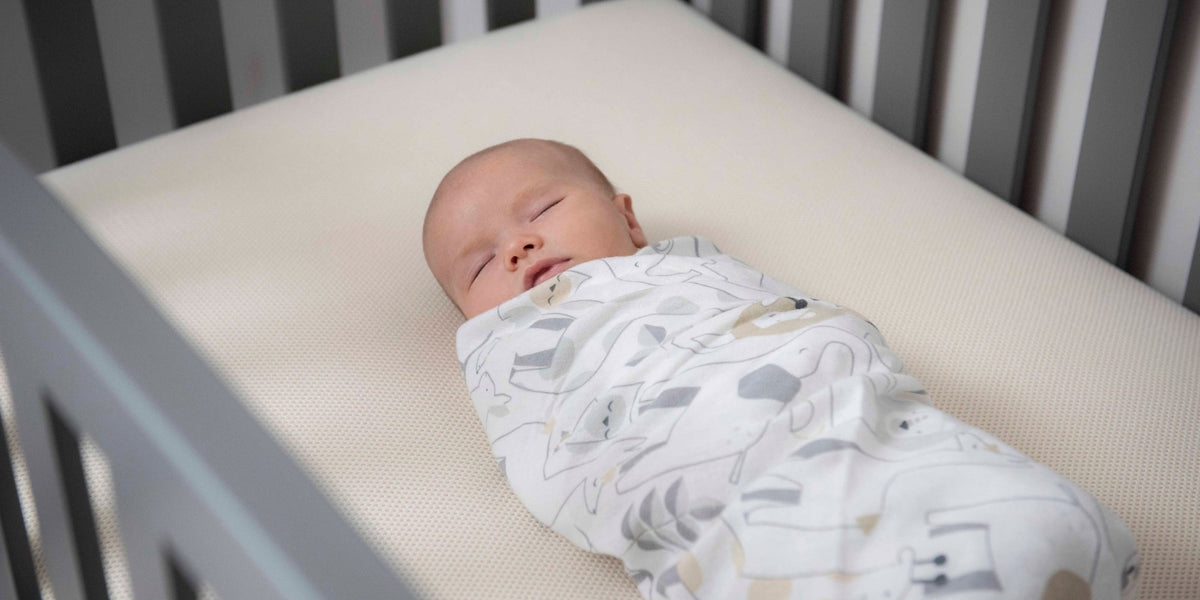
Crib mattresses are designed specifically for infants and toddlers, with firm support recommended for safe sleep. In general, Naturepedic crib mattresses support approximately 60 to 100 pounds depending on the model, including mini crib, lightweight, and innerspring designs.
It is important to note that crib mattresses are not designed to support adult weight, even briefly. Sitting or leaning on them can compromise their structure over time, especially when repeated frequently.
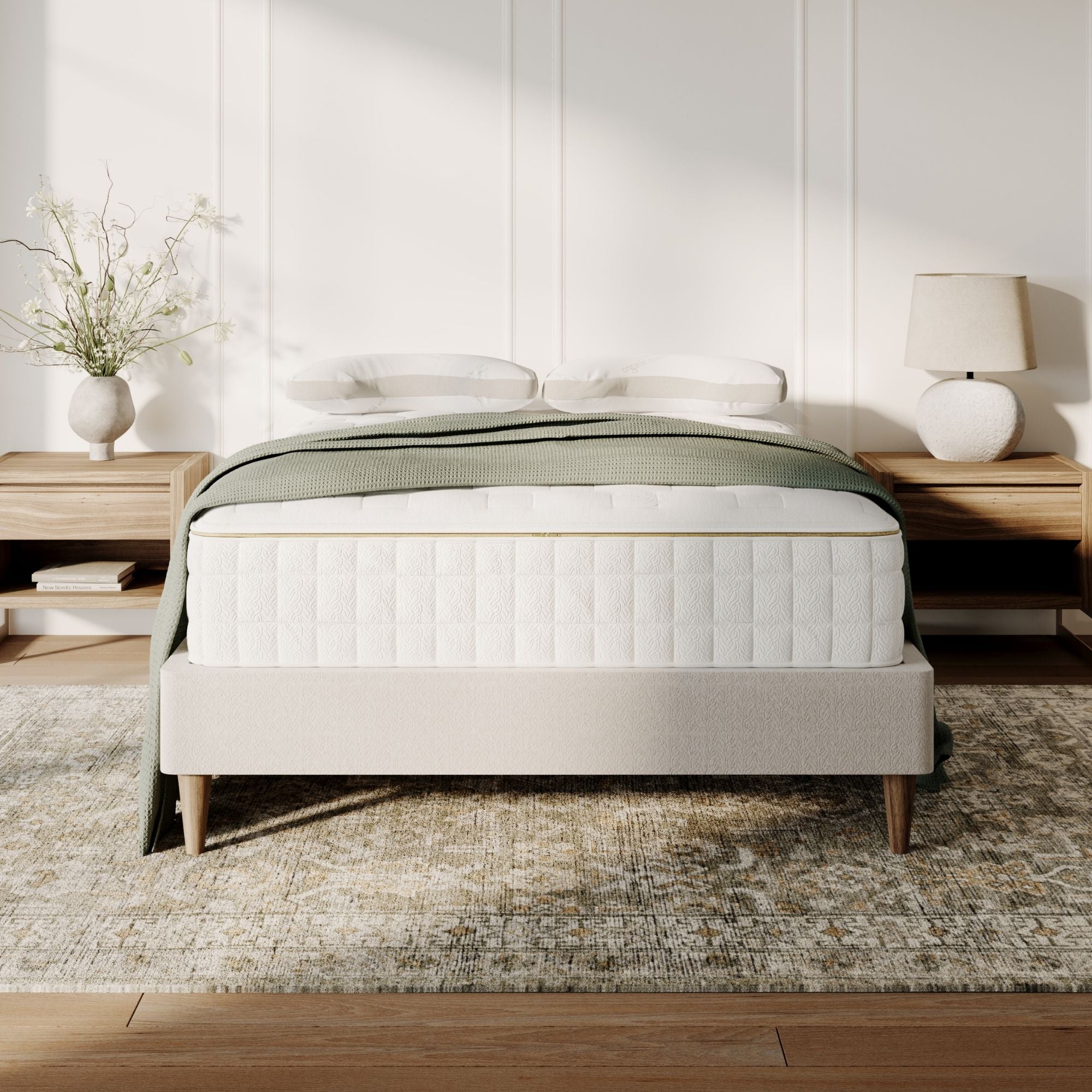
Weight Limits for Adult Mattresses
Adult mattresses follow similar weight guidelines based on size and construction. Twin, Full, and Queen models typically align with the same ranges as kids mattresses, while King and California King mattresses may support up to approximately 700 pounds depending on design.
Because adult mattresses often support two sleepers, combined weight should be considered when choosing a size and support level.
Mattress Weight Limits by Category
While mattress weight limits are not legally standardized, they tend to be similar by category.

Here is a simple overview of typical weight ranges:
- Crib mattresses: ~60 to 100 lbs
- Twin mattresses: up to 325 lbs
- Full mattresses: up to 450 lbs
- Queen mattresses: up to 550 lbs
- King and California King: up to ~700 lbs
- Foundations: up to 500 to 1,000+ lbs depending on size
These ranges can vary by model and materials, so it is always helpful to review product details when browsing mattress specifications.
Do Mattress Foundations Have Weight Limits Too?
Yes, foundations and bed frames also have weight limits and play a critical role in overall support. They are designed to support both the mattress and the sleeper, which means their capacity should always meet or exceed the combined load. For example, some foundations support up to 1,000 pounds depending on size.
Using an inadequate foundation can reduce mattress performance and even void warranties, making it just as important as the mattress itself.
Tips for Choosing the Right Mattress Support Level
When selecting a mattress, consider both weight and preferred feel. Heavier sleepers often benefit from firmer support layers to maintain alignment, while still adding comfort layers for pressure relief. Adjustable options like the EOS customizable mattress allow you to fine-tune both comfort and support.
It is also important to pair your mattress with a strong, flat foundation and to rotate it regularly to promote even wear.
Have feedback on our story? Contact us to let us know what you think or visit our about us page to learn more!